Street trading rules for flower stalls in SW7
Posted on 03/10/2026
If you are planning a flower stall in SW7, the rules around street trading can feel a bit like a moving target. One minute you are thinking about tulips, buckets, and display stands; the next, you are wondering about permissions, pitch boundaries, and what local officers will expect. The good news is that once you break it down, the practical side is manageable. This guide explains the street trading rules for flower stalls in SW7 in plain English, with a focus on what matters day to day: where you can trade, what you need to check, how to avoid common mistakes, and how to run a stall that looks professional rather than risky.
Truth be told, most problems do not come from the flowers themselves. They come from the set-up: the wrong location, unclear permissions, cluttered displays, or assuming a pavement is fair game. So let's get into the detail properly and save you a headache later.
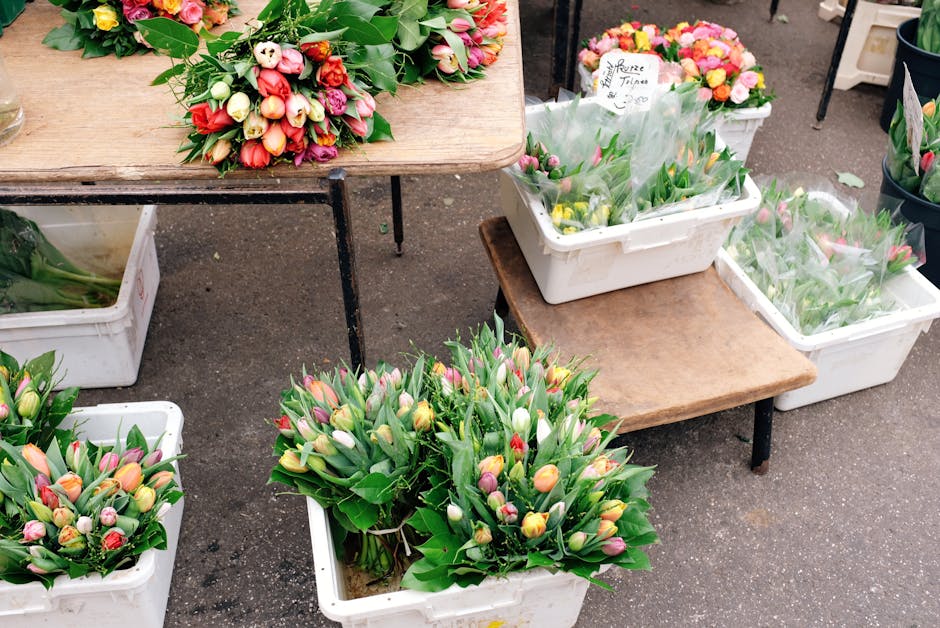
Why Street trading rules for flower stalls in SW7 Matters
SW7 is not the kind of place where you can quietly place a stand and hope no one notices. It is busy, visible, and often heavily managed. That matters because street trading rules exist to control safety, protect pavement access, and keep trading fair. For a flower stall, the rules are especially important: flowers attract impulse buyers, but the stall also needs water containers, wrapping materials, stock rotation, and a layout that does not spill into foot traffic.
Why does this matter so much? Because flower stalls are judged on more than appearance. A tidy display can still be non-compliant if it blocks access or sits in the wrong spot. And a beautifully arranged stall can still create problems if it is trading without the right consent. In practice, the difference between a smooth trading day and a stressful one is often the paperwork and the location choice.
There is also a customer trust angle. People buying flowers in SW7 expect professionalism. If your stall feels chaotic, cramped, or poorly managed, that tends to show. A compliant set-up sends a quiet signal: this trader knows what they are doing. That counts, especially in a premium local market where first impressions are everything.
Expert summary: street trading compliance is not just a legal box to tick. For flower stalls in SW7, it shapes safety, customer confidence, and whether you can operate consistently without interruption.
How Street trading rules for flower stalls in SW7 Works
Street trading rules usually revolve around where trading is allowed, who has permission, and what kind of activity counts as trading. In simple terms, if you are selling flowers from a public highway, pavement, roadside pitch, or other open street-facing location, you should assume that some form of permission or licensing check may apply. The exact position can vary depending on the land, the local authority area, and whether the place is a designated street trading pitch or an area where trading is restricted.
For flower stalls, the practical question is often this: are you trading from land you control, or from a place that is part of the public realm? If it is public-facing and accessible to passers-by, you need to be careful. A pop-up display outside a shop, for example, may not be treated the same way as a fully private forecourt. The detail matters. A lot.
In SW7, that means you should think about the local street environment, pedestrian flow, nearby businesses, and whether the location is likely to be sensitive because of congestion, access needs, or nearby properties. A stall near a tube station, hospital route, or busy retail stretch may face different expectations from a quieter side street. It is not just about whether flowers are allowed; it is about how they are sold and where.
Operationally, most traders need to consider:
- permission to trade from the relevant authority or landowner
- whether the pitch is designated or prohibited
- display size and obstruction risk
- hours of trade and set-up times
- storage of stock, waste, and water
- any local conditions attached to the permission
If you already run a local florist operation, it can help to think of your stall as part of the wider customer journey. Someone may find you while looking for a florist in South Kensington SW7, then decide whether a street stall suits their needs. A stall can absolutely work well, but only if it is set up with the same care as a shopfront. No shortcuts.
Key Benefits and Practical Advantages
When street trading is handled properly, it can be a very effective way to sell flowers in SW7. The obvious benefit is visibility. People respond quickly to fresh flowers, especially when they are displayed well and the stall feels inviting. A well-run pitch turns footfall into impulse purchases, and that is often where the real value sits.
There are several other practical advantages too:
- Lower barrier to entry: compared with a permanent retail lease, a stall can be more flexible.
- Immediate local reach: you are selling where people already are, which helps with walk-by sales.
- Seasonal responsiveness: flower trading can be adjusted for peak dates like birthdays, anniversaries, weddings, and memorial occasions.
- Brand visibility: a tasteful stall can build recognition quickly in a local area.
- Testing ground: it is a practical way to trial products before scaling into delivery or a shop-based model.
There is also a less obvious advantage: a compliant stall is easier to scale. If your systems are neat from the start, you can add peak-time staff, special arrangements, or event-focused stock without reinventing the business every week. That is where many small traders get stuck. They build the stall first, then worry about the rules later. Usually backwards.
For example, a stall that focuses on everyday bouquets may pair naturally with delivery-based sales such as flower delivery in South Kensington SW7 or same-day flower delivery in South Kensington SW7. The stall brings visibility; the delivery side gives you reach beyond the pavement. That combination is often stronger than relying on one channel alone.
Who This Is For and When It Makes Sense
This topic matters if you are any of the following:
- an independent florist planning a street-facing flower stall
- a trader testing a new pitch in SW7
- a shop owner wanting to place flowers outside the premises
- a market-style seller considering regular trading on the street
- a local business adding seasonal flower sales near the pavement
It also makes sense if you are not sure whether your idea counts as street trading at all. Many people assume that if they are only using a small table, it must be fine. Not always. A compact set-up can still create a street trading issue if it is in a public place and being used for sales.
You may also want to look at street trading rules before you invest in stock, stands, signage, and branded wrapping. Why? Because the right pitch is worth far more than a polished display in the wrong location. A beautiful bucket arrangement does not help if enforcement tells you to move on halfway through the morning. That is a grim start to the day, honestly.
If you are already thinking in terms of customer segments, it can help to see how flowers are usually sold locally: everyday bouquets, seasonal bunches, sympathy flowers, event arrangements, and fast-turnaround gifts. A stall can support all of these, but the trading setup needs to suit the type of sales you want. A quick gift stall and a wedding-order collection point are not quite the same thing. Not even close.
Step-by-Step Guidance
Here is a straightforward way to approach the rules without getting overwhelmed. Take it step by step and resist the urge to guess. Guessing is expensive in this game.
- Confirm the exact location. Identify whether the proposed stall is on public highway land, private land, or shared frontage. This is the first and most important question.
- Check whether trading permission is needed. If the stall is street-facing, assume some form of approval may be required and verify it before setting up.
- Review the pitch conditions. Look for limits on stall size, trading hours, obstruction, waste handling, and access requirements.
- Plan the layout carefully. Keep walkways clear, avoid overhanging displays, and make sure water containers and stock are stable.
- Prepare documents and operating details. Keep any permission letters, trading details, and business records easy to access on-site.
- Set up for weather and footfall. Flowers need shade, protection from wind, and a display that still works when the street gets busy.
- Build a routine. Opening, closing, replenishing, and waste removal should be repeatable. That helps compliance and keeps the stall looking cared for.
A useful habit is to walk the site as if you were a customer and as if you were a council officer. Strange but effective. Ask yourself: can someone pass easily, can a wheelchair or buggy get through, and does the stall look orderly from a few metres away? If the answer is no, that is a warning sign.
For traders offering broader flower ranges, it can help to organise product lines as well as the pitch. For instance, a stall might feature all flowers for general browsing, or seasonal lines such as summer flowers when demand shifts. A cleaner product structure usually makes the stall easier to run, and easier to explain to customers too.
Expert Tips for Better Results
In our experience, the best flower stalls in busy London areas are not always the flashiest. They are the ones that feel calm. Flowers are naturally busy-looking, so the trick is to keep the trading space itself controlled. That contrast works.
Here are some practical tips that make a real difference:
- Use a stable, low-profile display. Tall, wobbly stands create risk and can look messy in a hurry.
- Keep wrapping and waste under control. Loose cellophane, tape, and offcuts make a stall look untidy fast.
- Rotate stock frequently. Freshness matters in flowers more than almost anything else.
- Choose a clear pricing approach. If customers have to ask for every price, you slow down the stall.
- Use simple signage. Clear, neat signage is better than too many signs competing for attention.
Another useful point: think about timing. A stall that looks stunning at 9:00 a.m. may look tired by 3:00 p.m. if there is no refresh routine. Small water checks, straightened buckets, and quick tidying every hour or so can keep the whole set-up looking sharper. It is a bit unglamorous, yes, but that is the reality.
Seasonality also matters. In colder months, stock protection becomes more important. In summer, sun exposure and dehydration can ruin display quality quickly. SW7 footfall can stay steady, but the environment changes through the day. Morning shade, lunchtime heat, evening wind-London likes a bit of everything, apparently.
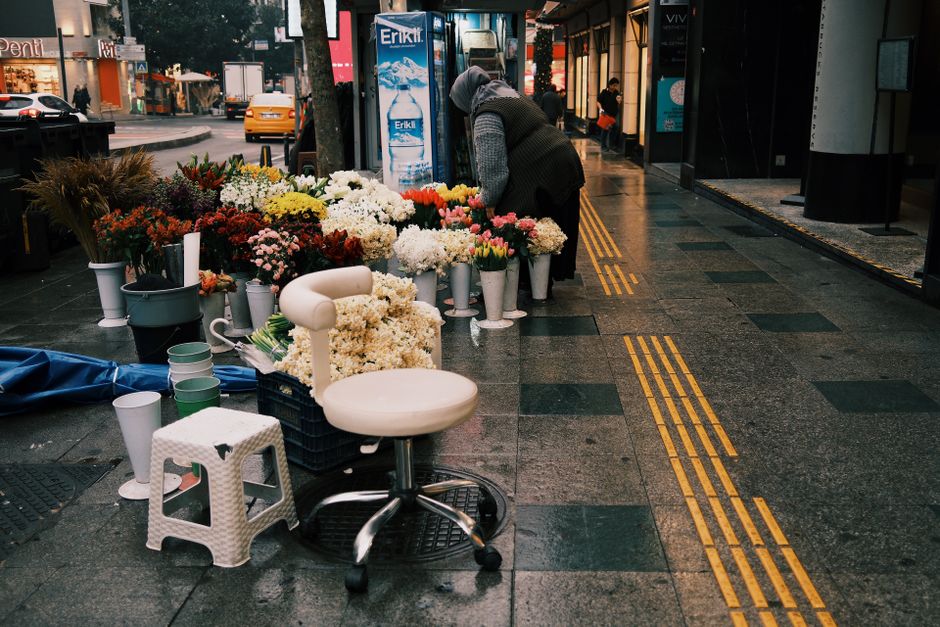
Common Mistakes to Avoid
The biggest mistake is assuming that because a location looks suitable, it must be compliant. A pavement can appear empty and still be unsuitable for street trading. Another common issue is failing to confirm whether the stall sits entirely within permitted space. Even a small overhang can create trouble if it narrows the pavement.
Other mistakes worth avoiding include:
- setting up before permission is confirmed
- using a pitch that clashes with pedestrian flow
- leaving stock, buckets, or packaging in walkways
- ignoring weather protection for fragile flowers
- mixing business storage and customer-facing display in a way that looks cluttered
- forgetting waste disposal and end-of-day clearing
One slightly sneaky mistake is thinking that "temporary" means informal. A stall used for a few hours can still be subject to street trading expectations. Temporary does not mean exempt. If anything, temporary setups often need tighter discipline because they are assembled quickly and more likely to be left a bit off-centre.
And then there is the classic one: assuming the flowers will carry the stall on their own. They help, of course, but customers notice the whole experience. The bucket line, the route to pay, the clarity of prices, the friendliness of the setup. It all adds up.
Tools, Resources and Recommendations
You do not need a huge toolkit to run a flower stall well, but a few items make life much easier. A reliable van or trolley for moving stock, sturdy buckets, water-safe containers, a weather cover, and a simple cleaning routine can save a lot of stress. Nothing fancy. Just effective.
It also helps to keep a small compliance pack on hand, ideally in a waterproof folder. That pack might include:
- any trading permission or approval documents
- contact details for the business owner or responsible manager
- a basic site plan or stall layout
- insurance details if applicable to your operation
- notes on opening times, waste routines, and staff responsibilities
For customers who prefer pre-arranged ordering, a stall can work well alongside online purchasing. If that is part of your model, useful supporting pages such as send flowers in South Kensington SW7 and next-day flower delivery in South Kensington SW7 can help bridge the gap between walk-in sales and planned orders.
You may also want to think about product mix. A flower stall that leans on a few dependable best-sellers often performs better than one that tries to carry everything. A focused range can include best sellers, budget options, and a small number of more premium bunches for gift buyers who want something a little nicer. That balance tends to work well in real life.
Law, Compliance, Standards, or Best Practice
Street trading is a regulated activity, so the legal and compliance side matters even if your stall is small. The key principle is simple: do not assume a public-facing flower pitch is automatically allowed. In the UK, local authorities typically control street trading within their areas, and conditions can vary depending on the street, the exact pitch, and the nature of the trade.
Best practice is to treat the process as a formal set-up rather than a casual arrangement. That means checking permissions, keeping records, and making sure the stall does not create a nuisance or hazard. You should also consider general business duties that often sit alongside trading, such as customer safety, fire awareness where relevant, accessibility, and responsible waste handling.
For flower stalls specifically, a few compliance points are easy to overlook:
- Public access: do not obstruct pedestrians, doorways, crossings, or access routes.
- Display stability: prevent toppling buckets, leaking water, or slipping hazards.
- Presentation: keep the stall tidy enough that it does not look abandoned mid-shift.
- Waste control: remove packaging and wilted stock promptly.
- Respect for neighbours: avoid creating unnecessary noise, spillover, or queueing issues.
If you are operating near a shop or within a mixed retail frontage, the most sensible approach is to align your street stall with the appearance and standards of the wider business. A clean pitch, clear pricing, and a predictable routine are usually far safer than an improvised, everything-at-once set-up. That is just common sense, really, but it gets overlooked more often than you would think.
Where any rule is unclear, seek direct confirmation before trading. A careful phone call or written check now is better than losing a day of sales later. That part is not glamorous. Still worth it.
Options, Methods, or Comparison Table
If you are deciding how to sell flowers in SW7, it helps to compare the main approaches. A street stall is only one option, and the right choice depends on how much flexibility, visibility, and compliance handling you are comfortable with.
| Option | Main advantage | Main drawback | Best for |
|---|---|---|---|
| Street flower stall | High visibility and impulse sales | Permission and location controls can be strict | Walk-by trade, quick purchases, seasonal demand |
| Shopfront florist | More control over display and operations | Higher overheads and longer commitment | Established businesses and fuller product ranges |
| Delivery-led business | Broader reach beyond one street | Less physical visibility | Planned gifting, repeat orders, local service growth |
| Mixed model | Combines visibility with flexibility | Needs more organisation | Traders who want stall sales plus online orders |
For many small businesses, the mixed model is the sweet spot. A stall brings footfall and brand presence; delivery adds consistency. If you are offering event flowers, romantic bouquets, or memorial pieces, the ability to guide customers into a more specific channel can make the business feel steadier. It also helps when the street itself is quieter than expected. Which happens. Often enough to plan for it.
Case Study or Real-World Example
Imagine a trader setting up a modest flower stall near a busy SW7 shopping stretch. The display is attractive at first glance: mixed seasonal bouquets, a few premium stems, and simple handwritten pricing. The trader also has water buckets, a folding table, and a signboard for same-day orders. On paper, it looks promising.
But the first version of the stall causes problems. The table is a little too wide, one bucket sits close to the pedestrian line, and the packaging box is visible from the front. Customers still stop, but a few need to step awkwardly around the setup. It is not a disaster, just enough friction to feel clumsy.
After a review, the trader tightens the layout: narrower display width, better bucket spacing, clear entrance-side access, and a more disciplined refresh routine. They also shift some customers toward pre-ordering through delivery for larger arrangements, while keeping the stall focused on smaller walk-up purchases. The difference is immediate. The pitch feels calmer, the flowers look better, and people spend less time hesitating.
That kind of adjustment is very typical. In practice, compliance and sales performance often improve together. A cleaner pitch is easier to manage, easier to approve, and nicer to shop at. Funny how that works.
Practical Checklist
Use this checklist before opening your flower stall in SW7. It is simple, but it catches the mistakes that tend to cause trouble.
- Confirmed whether the location is public, private, or shared frontage
- Checked whether street trading permission is needed
- Reviewed pitch boundaries, width, and walking space
- Prepared any documents or approvals needed on site
- Set up a stable display with no trip or spill hazards
- Planned stock rotation and water top-ups
- Created a waste and packaging removal routine
- Made prices easy to read
- Checked weather protection for flowers and materials
- Thought about how customers will pay and collect orders
- Ensured the stall still looks neat near closing time
- Reviewed how the stall supports other sales channels, if any
If you can tick all of those without hesitation, you are already ahead of a lot of traders. Honestly, that is half the battle.
Get a free quote today and see how much you can save.
Conclusion
Street trading rules for flower stalls in SW7 are not there to make life awkward. They exist to keep trading safe, orderly, and fair. Once you understand the location rules, pitch expectations, and practical standards, the whole thing becomes much more manageable. And for flowers, that structure is actually helpful. A good stall should feel fresh and welcoming, not chaotic.
If you are setting up now, the smartest move is to check the location first, then design the display around the rules rather than trying to force the rules around the display. That small shift saves time, money, and a fair bit of stress. The flowers will thank you for it too, in their own quiet way.
Take it steadily, keep the setup clean, and build from there. There is real opportunity in SW7 for a flower stall that is both compliant and genuinely lovely to buy from.
Frequently Asked Questions
Do I need permission to run a flower stall in SW7?
In many street-facing situations, yes, you should expect some form of permission or approval to be needed. The exact requirement depends on the location, whether the stall is on public or private land, and how the local rules apply. Do not assume a pavement position is automatically available.
Can I place flowers outside my shop without it being classed as street trading?
Not always. Even a small display outside a shop can count as street trading or require separate permission if it sits on public land or affects the pavement. The key issue is not the size of the display alone, but where it is placed and how it is used.
What makes a flower stall compliant in a busy area like SW7?
A compliant stall is one that stays within its approved space, avoids obstructing pedestrians, keeps stock secure, and follows any conditions attached to the permission. Clean presentation matters too. If it looks cluttered or unsafe, it is less likely to go well.
Is a temporary flower stand treated differently from a permanent stall?
Sometimes, but not enough to ignore the rules. Temporary setups can still be subject to street trading controls, especially if they are on or near public land. Temporary does not mean unrestricted, which catches a few people out.
What are the biggest risks with flower stalls on the street?
The main risks are trading without the right permission, blocking foot traffic, creating spill or trip hazards, and failing to manage waste or weather exposure. Flowers themselves are not the problem; the set-up usually is.
How can I make a flower stall look professional without overcomplicating it?
Keep the display simple, use stable buckets, make pricing clear, and refresh the stock regularly. A professional stall is usually neat rather than flashy. A tidy layout can do a lot of heavy lifting.
Can I combine a street stall with online flower delivery?
Yes, and in many cases that is a very sensible model. The stall gives visibility and walk-up sales, while delivery broadens your reach. If you already offer flower delivery in South Kensington SW7, a stall can work as a local showroom of sorts.
What flowers tend to sell well from a street stall?
Smaller mixed bouquets, seasonal bunches, and easy gift options tend to work well because they are quick to choose. Simpler products are easier to display and quicker for customers to buy on impulse.
How often should I refresh the stall during the day?
That depends on weather and footfall, but regular small refreshes are much better than waiting until the stall looks tired. Check water, straighten bunches, remove wilted stems, and tidy packaging as you go. It makes a real difference.
What should I do if I am not sure whether my pitch is allowed?
Do not guess. Confirm the status of the location before trading, ideally in writing or through a reliable local check. A short delay now is far better than an interruption later.
Are seasonal flower stalls treated any differently?
Seasonal stalls may be more visible at certain times of year, but they still need to follow the same basic trading expectations. In fact, seasonal trading can attract more attention, so it is worth being especially careful with layout and permissions.
What is the simplest way to reduce compliance problems?
Keep the stall tidy, respect pedestrian space, confirm permissions early, and build a repeatable operating routine. The less improvised the setup feels, the easier it is to manage. That is the short version, anyway.